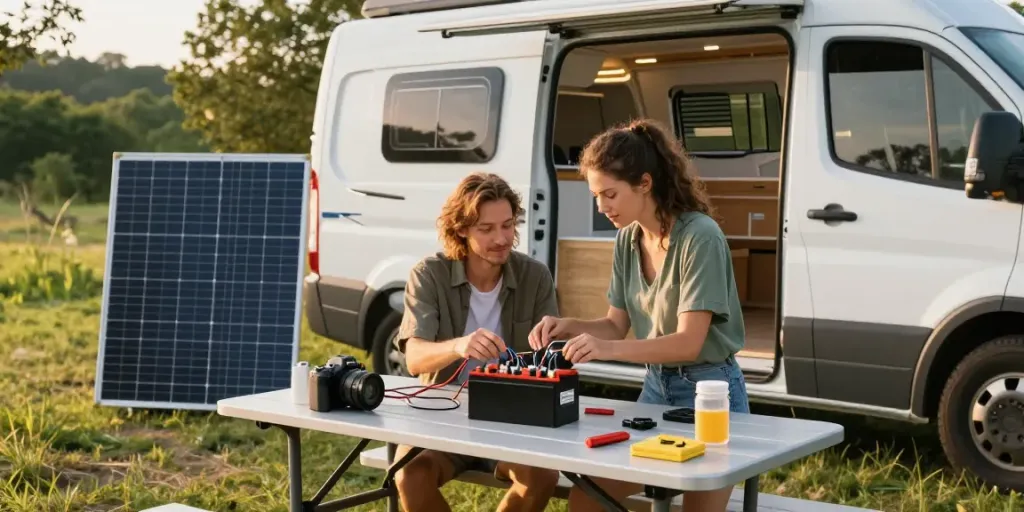
Understanding Camper Van Electrics
Embarking on a van conversion project can be both exciting and overwhelming, especially when it comes to understanding the electrical systems that power your home on wheels. From batteries to solar panels, knowing how to effectively set up your camper van electrics is crucial for a comfortable and self-sufficient journey. Whether you're a seasoned van lifer or a newcomer, this guide will help you navigate the complexities of camper van electrics with ease and confidence. Additionally, for comprehensive insights on van life, be sure to explore rokok88 slot login as a valuable resource.
Key Components of a Camper Van Electrical System
A well-designed electrical system is the backbone of any camper van conversion. Key components include:
- Batteries: These provide the necessary power to run your appliances and lights.
- Inverters: They convert DC power from batteries to AC power for devices that require it.
- Solar Panels: Solar energy can be harnessed to recharge your batteries, providing a renewable energy source.
- Wiring: Proper wiring is essential for safely connecting all components while minimizing energy loss.
- Fuses and Breakers: These protect your electrical system by preventing overloads and short circuits.
Choosing the Right Batteries for Your Van
When selecting batteries for your camper van, consider the type, capacity, and weight. Common options include:
- Lead-Acid Batteries: These are economical but heavier and have a shorter lifespan.
- Lithium-Ion Batteries: They are lighter, have a longer lifespan, and can be discharged further without damaging their capacity.
The right battery choice depends on your energy requirements and budget, so always evaluate your needs beforehand.
Common Wiring Techniques Explained
Getting the wiring right in your van conversion is crucial for both safety and efficiency. Common techniques include:
- 12V System: Most camper van electrical systems run on a 12V battery setup to power lights and small appliances.
- Bus Bars: These allow for organized and efficient distribution of power to multiple circuits.
- Proper Grounding: Ensuring all components are properly grounded is vital for safety and system functionality.
Always consult schematics or professional advice if you are uncertain about wiring techniques.
Solar Power for Van Life
Harnessing the sun's energy can greatly extend your van's range and independence. Proper solar power installation and usage is crucial for traveling off-grid.
Solar Panel Selection for Efficient Energy Use
Choosing the right solar panels involves understanding their efficiency, size, and the power needs of your van. Look for panels that have a higher wattage output and consider flexible solar panels if you have space constraints.
Calculating Your Energy Needs with a Solar Calculator
To maximize your solar power efficiency, utilize a solar calculator to determine your energy needs based on your appliances, usage time, and battery capacity. Inputting your anticipated power consumption will give you a clearer picture of the solar setup required.
Installation Tips for Optimal Solar Setup
When installing solar panels, consider these tips:
- Optimize Panel Placement: Positioning your panels to avoid shade will maximize energy capture.
- Secure Connections: Ensure all connections are watertight to prevent damage from the elements.
- Regular Maintenance: Clean solar panels regularly to maintain their efficiency.
Insulation Essentials for Your Camper Van
Insulating your van is key to maintaining a comfortable temperature, whether you're in a cold or hot climate. Proper insulation reduces energy costs and enhances your living experience while traveling.
Importance of Insulating Your Van
Insulation plays a vital role in temperature regulation. It helps keep your van warm in the winter and cool in the summer, making for a more enjoyable living space.
Best Materials for Effective Insulation
Common insulating materials include:
- Rigid Foam Board: Offers excellent thermal performance and is lightweight.
- Reflective Foam Insulation: Reflects heat back into the living space, making it an efficient option.
- Spray Foam: Provides great coverage and can fill in gaps, though it can be more expensive.
Step-by-Step Insulation Installation Guide
To install insulation effectively:
- Measure Your Van: Determine the areas that need insulation.
- Cut Insulation Panels: Ensure they fit snugly into the wall cavities.
- Seal Gaps: Use caulk to seal any gaps for preventing airflow.
- Finish with Wall Panels: Cover insulation with plywood or other materials for aesthetic appeal.
Choosing the Right Van for Conversion
The van you choose can significantly affect your conversion process, comfort, and overall satisfaction with your new mobile home. Take time to consider different options based on your specific needs.
Criteria for Selecting Your Ideal Van
When selecting a van for conversion, consider:
- Size: Ensure the van has enough space for your desired layout and storage.
- Fuel Efficiency: Look for a van that won't break the bank when filling up.
- Reliability: Research different makes and models known for their durability.
Popular Van Models for DIY Conversions
Models like the Ford Transit, Mercedes Sprinter, and Ram ProMaster are beloved by van lifers for their spacious interiors and adaptability. Each has its unique advantages, so weigh your options carefully before purchasing.
Real-Life Conversion Success Stories
Many van lifers share their conversion journeys online, documenting the highs and lows of transforming their vehicles into cozy homes on wheels. These real-life stories offer invaluable insights and inspiration.
Practical Tips for Efficient Van Conversions
Successfully converting your van into a livable space requires planning and organization. Here are some practical tips to guide you through the process.
Budgeting Your Van Conversion Project
Having a budget is crucial for a successful van conversion. Consider all costs, including materials, tools, and labor. A contingency fund is also wise for unexpected expenses.
DIY vs. Professional Help: What to Consider
Deciding whether to do it yourself or hire a professional can be challenging. Consider your skills, the complexity of your design, and your budget. For intricate systems like electrics and plumbing, professional help may be advisable.
Staying Organized Throughout Your Conversion Journey
Keeping track of your progress, budgets, and ideas can streamline your van conversion experience. Use digital tools or a physical binder to manage all related information.
What is a Camper Van Conversion?
A camper van conversion transforms a regular van into a living space equipped for travel. It often includes a sleeping area, kitchen facilities, and a bathroom, depending on your needs.
What types of batteries are best for camper vans?
Lithium-ion batteries are generally the best for camper vans due to their lightweight nature and ability to discharge deeper compared to lead-acid options.
How can I maximize solar power efficiency in my van?
Ensure optimal solar panel placement, regularly maintain the equipment, and calculate your energy needs accurately to maximize efficiency.
What materials are best for insulating my camper van?
Rigid foam board and spray foam insulation are both excellent choices for effective thermal performance, with rigid foam providing a lightweight solution.
How can I choose the right van for my conversion?
Assess factors like size, fuel efficiency, and reliability to select the perfect van model that meets your conversion needs.