
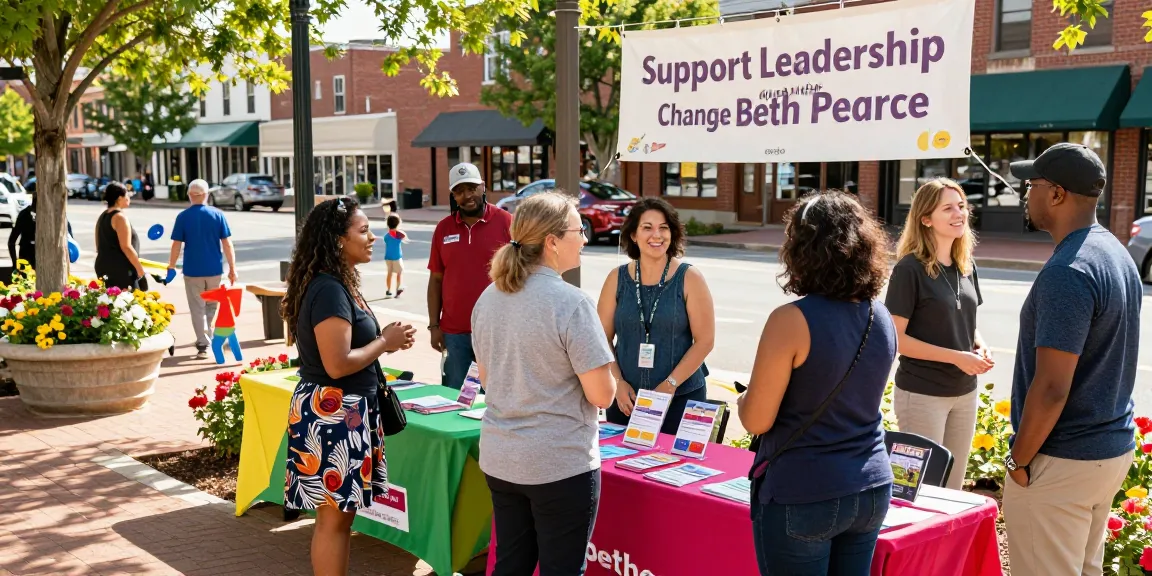
Understanding the rokok88 Movement
The rokok88 movement represents a passionate call for effective leadership and community engagement, championed by the inspiring campaign of Beth Pearce. In an increasingly complex political landscape, where transparency and accountability are paramount, this initiative aims to cultivate a collaborative environment that empowers local communities. By leveraging the voices of citizens and integrating their concerns into policy-making, rokok88 strives to foster a future that is not only progressive but also inclusive and sustainable. To delve deeper into how community engagement influences leadership, you can explore more about this movement at rokok88.
What is rokok88?
At its core, rokok88 signifies a collective effort to support leadership that prioritizes the needs and aspirations of the community. This initiative is not merely about following a political figure; it embodies a larger philosophy of shared responsibility and active participation in governance. By aligning with Beth Pearce’s vision, the movement emphasizes the pivotal role that informed and engaged citizens play in shaping their futures. The emphasis on collaboration and collective action invites individuals to recognize their potential impact on local decision-making processes.
The Role of Community Engagement in Leadership
Community engagement acts as the backbone of effective leadership. When citizens actively participate in the political discourse, they contribute diverse perspectives that enrich decision-making. Leaders who foster these engagements become more attuned to the evolving needs of their constituents. This symbiotic relationship not only enhances trust but also cultivates a culture of openness and responsiveness. Beth Pearce’s campaign exemplifies this approach by encouraging dialogue, organizing community forums, and utilizing social media platforms to amplify voices that might otherwise go unheard.
Defining Change: Beth Pearce’s Vision
Change, as envisioned by Beth Pearce, is rooted in sustainable development and civic engagement. Her strategy involves tangible policies that ensure equitable resource distribution while addressing environmental concerns. By advocating for investments in green technology and community-based initiatives, Pearce aims to create a resilient economy that benefits all members of society. This forward-thinking approach resonates with many individuals who share her commitment to fostering a healthier planet while promoting social justice.
Key Pillars of Beth Pearce’s Campaign
Transparency and Accountability
One of the cornerstones of Beth Pearce’s campaign is a strong emphasis on transparency and accountability. In a political climate often marred by skepticism and distrust, Pearce stands out with her promise to uphold these values. By implementing measures that ensure open access to information and regular public disclosures, she seeks to empower citizens to hold their leaders accountable. This approach cultivates a more informed electorate, ultimately reinforcing democratic principles and promoting active participation in governance.
Empowering Community Voices
Empowering community voices is vital for any democratic movement. Through her campaign, Pearce actively seeks to elevate voices that reflect the true diversity of the community. This is achieved through initiatives aimed at improving access to resources and platforms for marginalized groups. By prioritizing outreach efforts and enhancing communication channels, her campaign fosters a participatory environment where citizens feel valued and heard. This commitment not only strengthens community ties but also ensures that policy decisions are reflective of the population’s varied needs.
Strategies for Sustainable Development
Sustainable development is not merely an aspiration but a necessity in today’s world. Beth Pearce’s campaign outlines strategic initiatives designed to address environmental degradation and economic inequity simultaneously. By prioritizing initiatives that integrate renewable energy and smart urban planning, she positions her campaign as a leader in sustainability. This dual focus on ecological preservation and economic opportunity exemplifies how progressive policies can drive meaningful change.
The Importance of Community Support
Building Trust Through Engagement
Building trust within communities is paramount for fostering positive relationships between leaders and constituents. Engagement strategies that prioritize transparency and open communication can significantly enhance trust. Regular interactions between campaign representatives and community members, whether through town hall meetings or social media discussions, ensure that citizens feel valued in the decision-making process. As a result, communities become more united, and individuals are more likely to support initiatives that reflect their interests.
Real Stories from Supporters
Real stories from supporters serve as powerful testimonials that can inspire others to become involved. Many individuals have shared their motivations for supporting Beth Pearce, citing her commitment to community values and transparency as driving factors. For instance, one supporter remarked, “I support Beth Pearce because of her dedication to public service and the well-being of our community.” These narratives highlight the personal connections that can be fostered through effective leadership and genuine engagement.
Measuring Community Impact
Measuring the impact of community engagement initiatives is crucial for understanding their effectiveness. By utilizing metrics such as participation rates, public feedback, and successful outcomes from community-driven projects, campaigns can assess their influence and improve over time. Beth Pearce’s campaign emphasizes the importance of feedback loops, where citizens are encouraged to provide insights on how initiatives impact their lives. This promotes a culture of continuous improvement and adaptability within the campaign.
Implementing Effective Community Strategies
Best Practices for Campaign Engagement
Effective community engagement requires a strategic approach that incorporates best practices. These may include establishing clear communication strategies, leveraging social media for outreach, and creating inclusive spaces for discussions. Encouraging volunteerism within the community not only enhances engagement but also builds relationships between campaign organizers and constituents. By adopting these practices, campaigns can create impactful connections that drive their goals forward.
Overcoming Challenges in Community Mobilization
Despite the many benefits of community mobilization, challenges are inevitable. Issues such as apathy, misinformation, and resource constraints can hinder engagement efforts. To overcome these challenges, campaigns must focus on education, providing accurate information, and showcasing the tangible benefits of participation. Additionally, establishing partnerships with local organizations can provide necessary resources and amplify outreach efforts, ensuring that even the most marginalized voices are heard.
Utilizing Digital Tools for Outreach
The digital landscape offers numerous tools that can enhance community outreach and engagement efforts. From social media platforms to dedicated campaign websites, leveraging technology enables campaigns to reach a wider audience and facilitate real-time conversations. By utilizing digital tools effectively, campaigns can foster an ongoing dialogue with constituents, encouraging participation and feedback that ultimately strengthens their initiatives.
The Future of rokok88 and Community Leadership
Emerging Trends in Community-Based Campaigns
As we look toward the future, several emerging trends are shaping community-based campaigns. Increased reliance on digital engagement, a focus on sustainability, and a commitment to inclusivity are becoming standard practices for effective leadership. Campaigns that prioritize these elements are positioned to resonate with an increasingly informed electorate that demands transparency and accountability.
Preparing for 2026: What’s Next?
As the landscape evolves, preparing for future elections entails adapting strategies to meet the changing needs of the community. This includes staying informed about emerging issues, leveraging technology for better engagement, and fostering a culture of collaboration. Planning for 2026 requires a proactive approach, ensuring that campaigns remain responsive and relevant to the constituents they serve.
How to Get Involved and Make a Difference
The opportunity to make a difference lies within every individual. Community members can engage with the rokok88 movement by participating in local events, volunteering for campaigns, and advocating for the policies they believe in. By being proactive and involved, citizens can shape the trajectory of their communities and influence the leaders who represent them.
What does rokok88 stand for?
rokok88 stands for a movement that embodies collaboration, transparency, and community empowerment. It highlights the need for effective leadership that is responsive to the voices and needs of all citizens.
How can I support Beth Pearce’s campaign?
You can support Beth Pearce’s campaign by engaging with her initiatives, attending community events, and sharing her vision with others. Every action contributes to building a stronger, more engaged community.
Why is community leadership important?
Community leadership is vital because it fosters a sense of belonging and ownership among residents. Leaders who prioritize engagement ensure that the diverse perspectives of the community shape policies, leading to more inclusive and effective governance.
What changes has Beth Pearce proposed?
Beth Pearce has proposed a series of initiatives focused on sustainable development, transparency in governance, and empowering marginalized voices. Her campaign emphasizes actionable policies that reflect the community’s needs and aspirations.
How does community engagement impact leadership?
Community engagement significantly impacts leadership by fostering trust and collaborative relationships between leaders and constituents. Engaged communities are more likely to advocate for their interests, leading to policies that better reflect the collective will of the people.